
Rarely do albums come out right on the first shot. Labels reject them, bands disown them, and they get added onto after release. Here on First Draft, we take a look at albums that got cut down or remade and see what difference the changes made.
Today’s First Draft concerns the studio sessions, rehearsals, and alternate mixes that went into one of the best-selling albums of all time, Nirvana’s 1991 smash hit Nevermind.
Welcome back to First Draft, everyone! The Guero First Draft from last month got a really positive reception from all the various places I took it to, people eager to fill in the rest of the story of the leak for me, and it’s got me in the mood to knock out a few more (and shorter ones, I promise).
This one’s about an album you absolutely have heard of and heard songs from, if not own the whole thing, and admittedly, it’s not one of the more noteworthy stories in the music canon outside of how buttfucking big these guys got. You know how many deluxe versions of albums with a second disc of demos attached I’ve got in the collection? A few.
This is, however, a band very dear to my heart, one I’ve written about a couple of times before, one I’ve sequenced an entire rarities boxset for, and a record I’ve got quite a lot of early material for. As I said in the Guero First Draft, I’m looking to expand out the kinds of albums I can write about in this series from my initial mission statement, and this is as good a place to start as any.
Our little tribe has always been and always will until the end
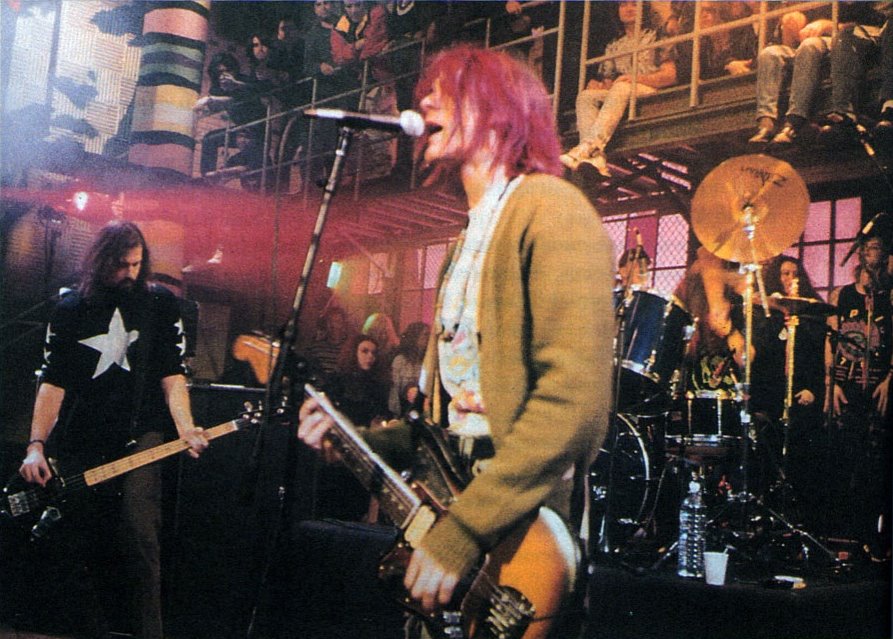
Admittedly, I have a deep aversion to retelling the story of Nirvana because it’s all so well-trodden and so mawkish–I dwell in the musical details, thank you, not the tabloid ones. Plus, we’re getting to the point where the people involved are, at youngest, in their 50s, and sometimes their 60s. We could wake up tomorrow to hear Krist Novoselic is dead. Hopefully not, but it’s not unheard of. That’s how long ago this stuff happened. Consider not making that twelfth documentary on Nirvana’s rise and fall, thank you please.
What I will say is that it’s interesting to see how those musical details and unreleased stuff continue to surface to this day. Just in writing this, I’ve learned there’s a recent bootleg with the full run of rehearsals they did for their MTV Unplugged, only occasional songs and clips of which were available prior. The deep specifics of the band’s gear, and especially Kurt’s gear, have been extensively documented by a handful of people on Reddit and YouTube, to the point where guitar covers are sometimes able to get a near-identical sound as Kurt did on record, down to that cheap Stella he recorded “Polly” with.
If we all become our parents, then it only makes sense that what was once the hip young edgy band becomes the studied-in-depth boomer band. Here I am contributing to that in my own little way, once again–and it’s always a comfy place to return to, not gonna lie.
I’ve got this dream where I have a girl like you
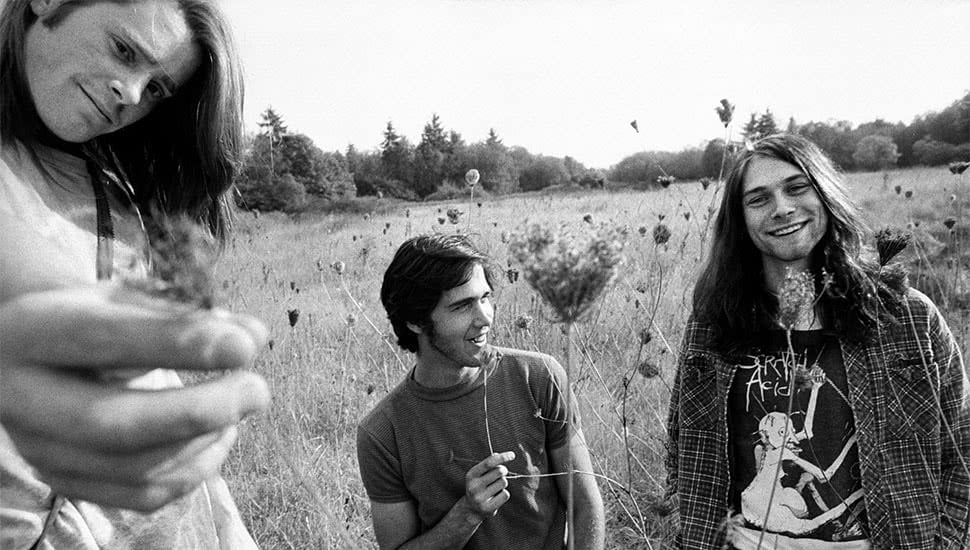
Come 1990, it became clear to Kurt and Krist that Sub Pop, who released their first record Bleach, was not going to be who released their second. Kurt felt Sub Pop not only suppressed their more experimental tendencies (which I don’t really buy, I think a lot of it was in his head), but also did a poor job marketing and printing enough copies of Bleach to satisfy the band’s rapidly growing especially European fanbase. Sub Pop themselves were under great financial strain; the subsequent royalties they’d see off Nirvana’s major-label dealings allowed for great expansion throughout the 90s.
In mid-1990, motivated by seeing his name on Killdozer’s then-recent Twelve Point Buck, Kurt, Krist, and Bleach drummer Chad Channing would enter Butch Vig’s Smart Studios and begin work on what was to be their second record, Sheep. Sheep wouldn’t pan out, partially over Sub Pop and partially over Kurt and Chad not seeing eye-to-eye on drum parts and performances, but the sessions bore enough fruit for Nirvana to start floating cassette copies around to labels with their first single (and at the time biggest hit) “Love Buzz” tacked onto the end.
At the time, DGC, Geffen’s imprint for their harder rock bands, had signed Sonic Youth, one of Nirvana’s heroes, and were also interested in taking Nirvana on board. Alternative music was overdue to break out of the college rock space at the time. Soundgarden signed to A&M two years prior and was about to drop Badmotorfinger onto a music world that still couldn’t figure out if they were a metal band or something stranger. Smashing Pumpkins were wholeheartedly embracing psychedelic virtuoso guitar pyrotechnics again and gaining notice for it. A variety of British and Irish bands were over in the Isles honing the dreamy sledgehammer sounds of shoegaze that desecendent indie bands would take for their own for decades afterwards.
In May 1991, following two years of restless touring, various rehearsals and studio sessions to hone new material (much of which would actually appear on In Utero), and the exit of Chad Channing and the entrance of a plucky Virginia-based hardcore drummer named Dave Grohl, Nirvana entered the famed Sound City in Los Angeles with Butch Vig to cut Nevermind. Even those who heard prerelease copies of the material didn’t think much of how it’d change the world. DGC didn’t think so either–the initial print run was well under 100,000 copies, and marketing was quiet and focused mostly on the Pacific Northwest and UK where Nirvana was based and Bleach had been successful, respectively.
Well, weren’t we all fools.
The Final Product: Revisiting Nevermind
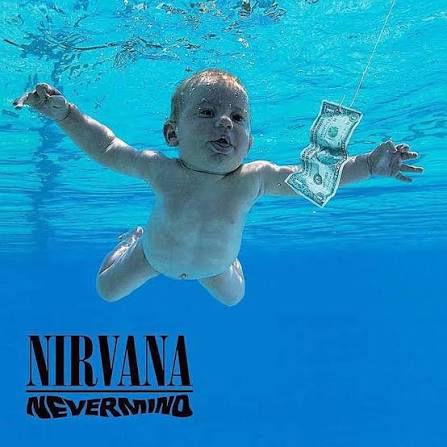
Nirvana is a group I love dearly and a group who I agree with the cries of “overrated” about. That’s not their faults–they tore shit up and wrote pitch-perfect poppy rock songs. It’s just that Nirvana wasn’t meant to be this big. They weren’t spokesmen of a generation. They were an artsy hard rock outfit with some punk veneer. I have heard albums from a ton of Nirvanas in my time, largely relegated to the underground with cult fanbases, and it’s great stuff. When you divorce everything from the music, the music justifies half the frenzy. The rest is idol worship.
Out of the “big four of grunge” (who naturally sound nothing alike), Kurt had the most marketable balance of prettiness and danger. Kurt wasn’t just going to say no to the photo shoots and the TV appearances, he was interested in subverting them. He was gonna kiss his bandmates on SNL, play the loud, edgy song instead of the single, and destroy the stage. It was memorable, and he was pretty. Clothes that Kurt wore really just to stay warm became an exploitable fashion trend. Every errant thought the man had ever had has been sliced up, marketed three or four times over, and examined by millions of people in an uncomfortable way I don’t think we reckon with enough.
And for what? Fucking pop songs, man. The rock crowd, willing to go along with the mass market major label Catherine wheel but afraid of looking like poseurs for it, reject the notion that anything good could ever be bestowed the lowly title of “pop”, but Nirvana was pop. Kurt wrote simple, but melodically interesting, songs and delivered them with tons of gusto. They’re the ideal band for a world wanting to feel outsider and indie without either wanting to actually engage with the outsider and indie or look like a total dork for that fact.
And that’s fine. Nevermind is a brilliant record that made their peers sit up and take notice. The rhythm section quakes, the drums so huge, you just could not fake them with studio trickery, try as the mix might. Krist’s basslines are sneakily really good, melodically intricate without losing the chords they wrap around. Kurt’s lyrics have been dissected to death and I’ve never felt he was speaking to me in particular, but it’s his lunging passion that sells these songs, notoriously singing so hard that he had to keep cough syrup on hand to preserve his voice. They were tight, the songs were sharp–“Come As You Are”, “Lithium”, “Drain You”, “Lounge Act”, right on the precipice of inviting and foreboding–and Nirvana just so happened to be in the path of a semi truck right when it came out.
So yes, it’s overrated, and no, they weren’t geniuses, just one of a bunch of fantastic, hardworking bands of their era. They also made a fucking killer rock record, if not three of them. Let’s not let the circus cloud what’s really interesting, which are the stories of how this thing came together.
The First Draft: Examining the Smart sessions
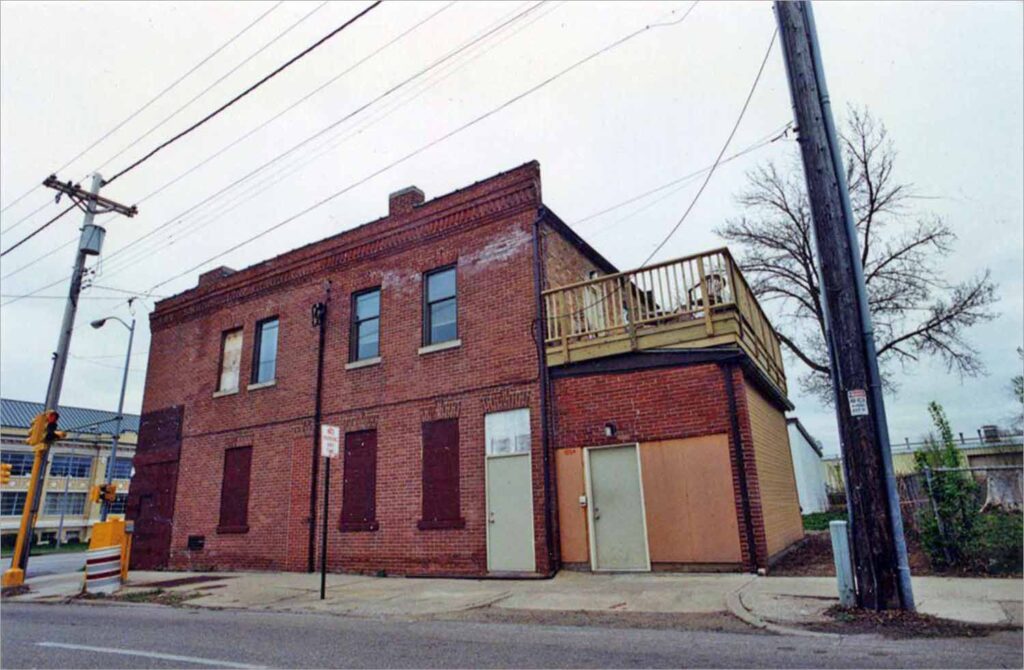
I’ve always found Smart to be a really interesting sounding studio. I actually associate it just as much with the first Garbage records (Butch’s own band) as I do anything with Nirvana or the Smashing Pumpkins. It’s always just had this boxy warmth to it. It sounds like what it is, which is a dopey little brick building in the middle of Madison, Wisconsin. (If you’re curious, Smart shut down and was reused as a location for a studio called Clutch Sound in the 2010s. They later outgrew the space and, as far as I can tell, it’s now a private residence. Can you imagine living where Gish and Garbage were made?)
Nirvana recorded eight tunes at Smart: the Nevermind version of “Polly”, early renditions of “Breed”, “In Bloom”, “Lithium”, “Stay Away”, and “Sappy”, plus Incesticide opener (and one of my all-time favorite Nirvana tunes) “Dive” and Velvet Underground cover “Here She Comes Now”. “Polly” and “Dive” aside, three further were released elsewhere–“In Bloom” got its own unique video released to music television through Sub Pop, “Stay Away” appeared on DGC Rarities Volume 1, and “Here She Comes Now” went to a Velvet Underground tribute compilation. The three remaining tunes would be bootleg fodder until they finally appeared on the rather unfortunate twentieth anniversary Nevermind remaster in 2011.
Comparing the Smart version of “In Bloom” to the Nevermind version is actually a really good way to feel the difference a drummer makes to a song. Chad is nowhere near the hard hitter Dave is, and he wasn’t quite as in the pocket either (though I don’t think he’s as sloppy on the Smart demos as he was on Bleach). Where Dave’s snare drum is a constant smack in the face to keep the intensity, Chad’s hits blend into the warm murk of the guitars. While the structure and lyrics of the song are otherwise intact, they play completely different as a result.
While this does mean that the Smart tracks lack the intensity of their Nevermind counterparts, I actually prefer them at times! That murky stew of guitars and drum slaps is singular in their catalog (not that that’s hard with only three albums). It’s not quite Bleach and its monochrome darkness, but it’s not Nevermind‘s shininess or In Utero‘s organic carnage. Given that these were meant for a studio album, they’re well-recorded and the master reels are still intact, which isn’t always the case with Nirvana outtakes. “In Bloom” and “Stay Away” just play better to my ear this way! I’ve always loved the impromptu, slightly aimless jangle of “Here She Comes Now” (which isn’t just my imagination, Nirvana learned and cut it real quick), and the bassy buzz of “Dive” and its incessant refrain simply cannot be ignored.
“Lithium” is one of the few cases where I still think the Nevermind version wins out. There’s two mixes of it floating around, an acoustic-led one and an all-electric one, and while there’s a nice air to the former, both lack the eerie, thumping, doomed sound that makes the album version so emotionally resonant. As nice as it is to have all known versions of “Sappy” surfaced, none of them hold a candle to the final one Nirvana did with Steve Albini during the In Utero sessions. That’s this band at their finest, dammit.
The Next Draft: Examining the barn demos
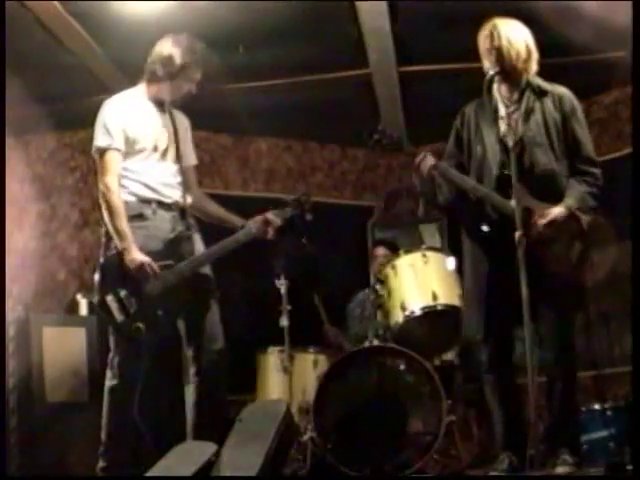
While the Smart demos provided a lot of the deeper cuts to Nevermind, March 1991’s “barn demos” contributed a lot of the heavy hitters. Nirvana rented out a converted barn in nearby Tacoma to prepare for the album in, and a boombox with a cassette recorder was brought in to record the proceedings. This was not the recipe for high fidelity, but it did capture songs that would absolutely rattle the world in an embryonic state.
Out of all Nirvana’s rarities, the barn demos hold the most personal significance to me. I remember not even being 8 years old, my copy of Sliver: The Best of the Box spinning away in my PS2, and being transfixed and slightly horrified by the gnarly recording quality of the early “Smells Like Teen Spirit”. It had a nasty, vital spirit to it that the Nevermind one didn’t, though, Kurt’s holler coming through clear over distorted drums and tape hiss even if his words were yet to settle. It’s still my favorite version of the song.
I heard it wasn’t the only song done then, even though for a long time, only it, an early “Come As You Are”, an alternate take of “On a Plain”, and a singular, incomplete clip of an outtake called “Old Age” had surfaced. I wanted more. Come the 2011 deluxe edition, the entire tape–“Teen Spirit”, “Come As You Are”, “Lounge Act”, “Old Age”, “On a Plain”, “Something in the Way”, “Territorial Pissings”, and “Verse Chorus Verse”–was featured on the second disc.
Needless to say, do not expect to make out fine details when listening to these. Of the lyrics that can be made out, some are naturally more finished than others. “Verse Chorus Verse”, another outtake I’ve always liked for its minor key depressive streak paired with its huge dynamic shifts, have roughly the same lyrics but a much more extroverted vocal performance than the one Kurt gave tracking it at Sound City. “Something in the Way” is lyrically final, give or take some extra, probably improvised ones. “Come As You Are” has the first verse finished, but not a lot else. “Teen Spirit”, “Territorial Pissings”, and “On a Plain” are final in their surging choruses, but for sure not in the verses. “Lounge Act” roughly matches the early Sound City tracking takes before Kurt hastily rewrote the lyrics to make them less specific to his recent ended fling with Tobi Vail.
Musically, the band is in fine form here, and the song structures are effectively final. Butch has said he didn’t beat the arrangements into the ground in pre-production for the record, only tightening things up, and that’s about what you hear. “Come As You Are” would have its verses extended, “Teen Spirit”, its choruses trimmed. “Something in the Way”, known for giving the band trouble in the studio and being stripped back to the chilly acoustic rendition of the final album, audibly gives them as much trouble in the barn; in the end, they still pursue it as an electric-led full band, a la the later BBC Mark Goodier session.
This tape, out of the three drafts we’re examining, holds Nevermind‘s true essence the strongest. The aggression, the darkness, even without the studio trickery Butch Vig needed to get them to sound as big on record as they did in person, comes through that shitty little boombox microphone just fine. The same way people often consider Nirvana to have been a far more powerful live act than they were a studio act, these demos are powerful. Listen for Dave singing “On a Plain”‘s sweet harmonies, probably top of his lungs to be heard over the rest of the din, alongside Kurt. That’s just awesome.
The Third Draft: Examining the Devonshire mixes
So, Nirvana takes all these songs and demos, tightens them up, and heads into Sound City to record Nevermind. The album runs late and over-budget, and the band and Butch agree to get someone new in to mix the record. That turns out to be Andy Wallace, most famous for mixing Slayer’s Reign in Blood. Kurt would bemoan the state of his mixes in later interviews, saying the band sounded more like Motley Crue than a punk band, while Dave would describe it as having a “produced weirdness”.
As such, Butch Vig’s original mixes proved a curiosity to Nirvana fans for decades afterwards until they appeared as the “Devonshire mixes” (Devonshire Studios being where Butch Vig completed the original album mixes) with the 2011 Nevermind remaster. Some copies, anyway. I thought mine did, but the cheaper two-disc deluxe doesn’t include them–pony up for the four-disc “Super Deluxe” if you want those, thank you!
I can’t believe it took me this long to seek these out–I’m usually all over first takes, early mixes, and the gut instincts of a band early in the process–but I’m acutely underwhelmed. For as much as I’ve been referring to the Nevermind deluxe set, it really kinda sucks, and it’s entirely down to the blown out loudness war treatment the entire package received.
Nevermind was released years before the start of the modern day “loudness wars”, the tendency of labels, bands, and producers to go to extremes to make their songs perceptively louder than all others. Oasis brought the wars to gross new heights with the power of digital recording technology, and we’ve backed off them, but never quite recovered from them. I’m not going to turn this into a full discussion about the wars, but the two big techniques of the loudness wars involve dynamic range compression to reduce the difference between loud and quiet sounds and rather drastic EQ.
This is the sound you hear in just about any album from about 1997 onwards. The lack of air, the constantly “on” and “in your face” sound, the swampy low end, the audible distortion with the more egregious examples–it makes some albums completely unlistenable. Such is the life of most remastered albums as well, which Nevermind has been once or twice.
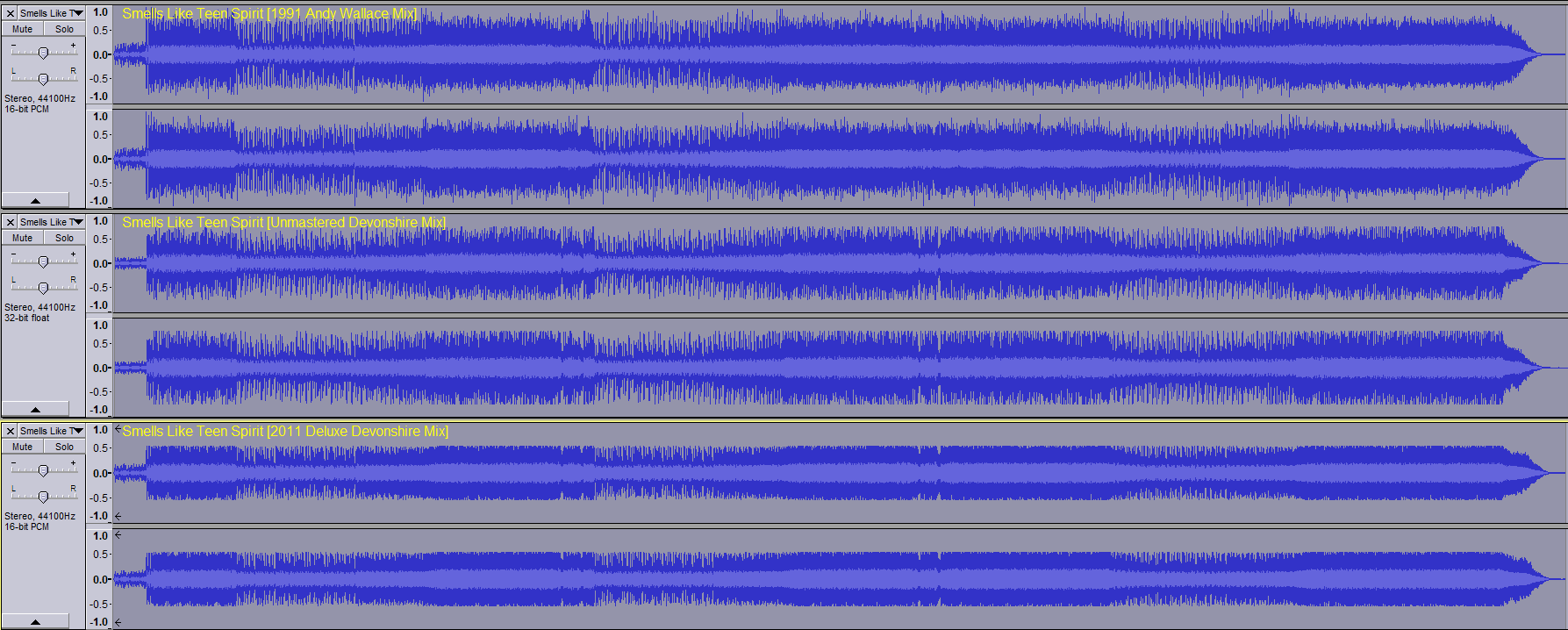
The nastiest excesses of the loudness war raged between 2000 and the end of the CD era, I’d say, and the twentieth anniversary of Nevermind is square in that range. The dynamics of the remaster, and all its b-sides, live tracks, demos, and rarities, are completely flattened, occasionally to the point of distortion. It sounds unnaturally huge, the snare transients completely sawed off and folded away, turning them into mere noise. Nevermind was always a loud album, but dynamics are key to the Nirvana sound, and the remaster has none.
To date, I have not heard one good thing about it from anyone online, and that’s because it deserves none. It don’t sound good. My 1991 used CD with a big gash in the middle of “Teen Spirit” blows it out of the water. Some of the material is thankfully available elsewhere, though perhaps in lesser, higher gen bootleg quality. (This also thankfully does not apply to the twentieth anniversary remaster of In Utero, which is actually slightly more dynamic than the original CD and well worth it for all Nirvana fans to seek out.)
Naturally, this kills a lot of what personal enjoyment I can get out of the Devonshire mixes, but what still can we gleam from them? It is a less processed version of the record for sure. Dave’s drums have more heft and less effect on them. A side-by-side of “In Bloom” makes the aggressive midrange scoop of Andy’s mix pretty apparent, and the reverb of the drums is definitely sculpted, spikier. Kurt’s vocals, in some cases, sound bone dry on the Devonshire mixes. Sometimes you’ll notice parts of takes of songs that were swapped for the final album, like Kurt’s final screaming match on “Lounge Act”, likely for how out-of-tune it is. It’s, at the very least, a neat game of spot-the-difference.
As I’ve said though, I really do prefer the Wallace mixes, and not solely for the loudness war. I think, while the Devonshire mixes are more natural, they’re also flatter. I think that slightly shimmery sound is part of the character of the album. “Come As You Are” goes from merely slightly muddy to properly ethereal with Andy Wallace’s mix contributions. Some songs are missing key little details–“Breed” fades in on the Devonshire mix, missing the growl that opens it on the original album. Nowhere near as cool. “Territorial Pissings” is missing Krist’s hippie “Get Together” vocal intro, and Andy’s mix gives the guitars this almost Jesus and Mary Chain-type razor sharp white noise bite that takes the aggression to an entire new level.
One Devonshire detail I did think was neat is right at the tail end of “On a Plain”. Kurt originally envisioned “On a Plain” ending with the instruments fading out, leaving only the harmonized backing vocals of the choruses for several rounds. This was truncated to two rounds on the original album, but the Devonshire mixes goes for four, plus an extra bit of strange, whistling ambience minus the vocals they hugged for a fifth round. Is it very Nirvana? No, but it sure does make for a neat transition into “Something in the Way”, and it’s cool to hear how it originally was at long last.
I want to say I’d be more keen on the Devonshire mixes if they weren’t brickwalled, but it’s hard to take seriously the idea of a more “natural” version of the album that’s also blown out to shit. I do have a single “Butch Vig mix” of one of the songs that hasn’t received this treatment, of course “Teen Spirit” (as was featured on With the Lights Out, though this copy was leaked years later and doesn’t feature the brickwalling of the boxset version), and I’m similarly ambivalent about it. It’s just very flat. Normally I’m all over this kinda stuff, but produced weirdness or not, Andy’s mix wins out to me.
Comparing the Drafts
I suppose there’s not a lot to truly compare here, but that’s expanding the idea of this series for you. What I do take from returning to all of this is that, either because it’s such simple music or because Nirvana was just that put together at the time, if a song made the album, it was put together pretty damn right on the first shot, with only the recording details to be hashed out. Kurt left lyrics for last, and most of his words are playing with a barrage of imagery. It’s rarely what he’s singing I’m taken with, it’s how he’s singing it.
Again, it’s the March 1991 barn demo that hits me in the chest the hardest. You can actually see the setup as part of a bonus feature with the DVD reissue of Live! Tonight! Sold Out!!. Evidently, someone in the band thought the setup was worth documenting: a tiny little stage, most of it taken up by Dave’s kit and what appears to be discarded paneling. Kurt tunes up, Dave and Krist at the ready, before he stands up to the microphone and lets another “On a Plain” rip. The sound quality is even more miserable than on the boombox version, but it’s how loud these motherfuckers could get without even trying, Krist goofily bouncing away with his Ripper and Dave barely even bashing while keeping volume with all the amps, that reminds you of why Nirvana made so many people sweat way back when.
I never want any of my philosophizing about Nirvana and fame and music culture to overtake your knowledge of the simple fact that I can still read Live Nirvana all fucking night. Nirvana was the first band whose catalog I knew end-to-end, and it’s not necessarily their music that has had the biggest impact on me, love it though I do. It’s all that time spent reading about sessions, different takes, different gear, that’s trained why and how I nerd out over music. It’s the process!
It’s the art of the thing. Art isn’t some nebulous conception of greater meaning through songs and drawings. It’s just when the process and craft matters as much as the end result. Everything, especially pop music, is more special when you look at it like that.
Thanks for reading another First Draft! I tried to make this one a little shorter, and by 1,300 words or so, sorta succeeded. What can I say? I like music. Check the First Draft blog category for more writeups about bands like Wilco, Failure, the Pixies, and Beck, and see you for the next one!
